
The European cycling market is experiencing unprecedented growth, with premium road bikes leading the charge. As more Europeans embrace cycling for fitness, commuting, and recreation, the appetite for high-quality, performance-driven bicycles has surged dramatically. This shift represents a golden opportunity for importers who can navigate the complexities of bringing premium road bikes into EU markets. However, success in this lucrative sector isn’t guaranteed. Importers face a maze of regulatory requirements, from safety certifications to environmental standards, that can derail even the most promising ventures. Finding suppliers who consistently deliver the quality and performance that discerning European cyclists demand adds another layer of complexity. The stakes are high—non-compliance can result in hefty fines, shipment rejections, and reputational damage, while poor supplier choices lead to customer dissatisfaction and financial losses. This guide cuts through the confusion, providing importers with practical insights on regulatory compliance, supplier selection, performance optimization, and market trends. Whether you’re entering the EU market for the first time or looking to expand your existing operations, understanding these critical factors will position you for sustainable success in Europe’s thriving premium road bike sector.
Understanding EU Import Regulations
Importing premium road bikes into the European Union requires meticulous attention to a comprehensive regulatory framework designed to protect consumers and ensure product safety. At the foundation sits the EN ISO 4210 standard, which mandates rigorous safety testing for all bicycles sold within EU borders. Your bikes must pass strength tests for frames, forks, and handlebars, alongside fatigue testing that simulates years of real-world use. Beyond safety standards, the General Product Safety Directive requires complete documentation proving your products meet all applicable requirements before they can legally enter the market.
The CE marking represents your declaration of conformity, signaling that your road bikes comply with EU health, safety, and environmental protection standards. Obtaining this marking involves technical documentation preparation, risk assessment completion, and often third-party testing through notified bodies. Additionally, REACH regulations restrict hazardous substances in bike components, particularly in paints, plastics, and metal alloys. You’ll need supplier declarations confirming compliance with substance restrictions, as customs authorities increasingly scrutinize chemical compliance documentation.
Tariff classifications under HS code 8712.00 determine your duty rates, which vary based on country of origin and applicable trade agreements. Non-compliance carries severe consequences beyond monetary penalties. Customs can detain entire shipments indefinitely, costing you storage fees and missed sales opportunities. Market surveillance authorities conduct random inspections and can issue product recalls affecting your entire inventory. One German importer faced €200,000 in fines after authorities discovered non-compliant brake systems, plus the cost of retrieving products already distributed to retailers. Establishing a compliance checklist before your first shipment prevents these costly disruptions and builds the foundation for sustainable market entry.
Finding Reliable Suppliers
Securing dependable suppliers forms the backbone of successful premium road bike importing, yet distinguishing genuine manufacturers from intermediaries requires systematic investigation. Start by attending major cycling trade shows like Eurobike in Frankfurt or Taipei Cycle, where you can meet factory representatives face-to-face, inspect sample products, and assess their technical knowledge. These interactions reveal far more than online catalogs ever could—genuine manufacturers discuss frame geometry, welding techniques, and material specifications with confidence, while trading companies often deflect technical questions.
Verification goes beyond initial meetings. Request factory audit reports from independent inspection companies, which should document production capacity, quality control systems, and working conditions. Legitimate suppliers readily provide these certifications alongside ISO 9001 quality management credentials. Check their client portfolio and contact existing customers directly about delivery reliability, product consistency, and after-sales support. A supplier serving established European brands demonstrates proven capability to meet stringent quality expectations.
Testing sample units before committing to large orders protects against costly mistakes. Order three to five bikes and subject them to real-world conditions—ride them extensively, measure component specifications against claims, and have a qualified mechanic assess build quality. Pay particular attention to frame alignment, welding integrity, and component compatibility. One Dutch importer discovered misaligned dropouts across an entire sample batch, identifying a systemic manufacturing issue before placing a €150,000 order.
Establish clear communication protocols and quality agreements from the outset. Define acceptable tolerance ranges for frame measurements, specify approved component brands, and outline inspection procedures before shipment. Require pre-shipment inspection reports with photographic evidence of random samples meeting your specifications. Build relationships gradually—start with smaller orders to evaluate reliability before scaling up. The best supplier partnerships develop over multiple transactions, where both parties demonstrate commitment to quality and mutual success.
Performance Optimization
Performance optimization separates premium road bikes from standard models, and understanding the technical specifications that deliver superior riding experiences is essential for importers targeting discerning European cyclists. Frame material selection fundamentally determines bike performance characteristics. High-modulus carbon fiber offers the best strength-to-weight ratio, with top-tier frames weighing under 900 grams while maintaining exceptional stiffness for power transfer. Aluminum alloys like 6061-T6 or 7005 provide affordable alternatives with good performance, though they typically add 400-600 grams compared to carbon equivalents. Steel and titanium appeal to niche markets valuing ride comfort and durability over outright weight savings.
Geometry directly impacts handling, comfort, and aerodynamics. Race-oriented geometries feature aggressive positioning with lower stack heights and longer reach measurements, placing riders in aerodynamic tucks that reduce wind resistance. Endurance geometries prioritize comfort for long-distance riding with relaxed angles and higher stack measurements that reduce strain on backs and necks. Importers should stock both categories to address different customer segments—competitive riders demand race geometries, while recreational cyclists and commuters prefer endurance designs.
Component specifications make or break performance credentials. Groupsets from Shimano, SRAM, and Campagnolo define shifting precision and braking performance. Premium bikes typically feature Shimano Ultegra or SRAM Rival at minimum, with top models sporting Dura-Ace or Red eTap systems. Wheelsets contribute significantly to overall performance—aerodynamic carbon wheels with 40-60mm rim depths reduce drag at speed, while lightweight climbing wheels under 1400 grams improve acceleration. Tire clearance has become increasingly important, with modern road bikes accommodating 28-32mm tires that balance speed with comfort and puncture resistance.
Testing protocols verify that supplier claims match real-world performance. Establish baseline metrics for frame stiffness using bottom bracket deflection tests, measure actual weights against specifications, and conduct wind tunnel testing for aerodynamic claims if targeting the high-end market. Partner with local cycling clubs or professional mechanics to gather feedback on ride quality, handling characteristics, and component integration. One Belgian importer created a test rider program with 20 experienced cyclists who evaluated bikes over 500-kilometer periods, identifying issues with uncomfortable saddles and poorly adjusted derailleurs before products reached retail channels.
Maintaining performance standards across production batches requires consistent quality monitoring. Implement random sampling inspection where independent auditors select bikes from production runs and verify specifications match your requirements. Document acceptable tolerance ranges for critical measurements like head tube angles, bottom bracket heights, and chainstay lengths—variations beyond 2mm can affect handling characteristics. Require suppliers to provide test certificates for carbon layup consistency and welding quality on aluminum frames. These measures ensure that every bike bearing your brand delivers the performance European customers expect, building reputation and reducing warranty claims that erode profitability.
Case Study: Successful EU Importers
A mid-sized Dutch importer transformed their business by focusing exclusively on performance-oriented carbon road bikes from a single Taiwanese manufacturer. They invested in comprehensive pre-shipment inspections and established a 30-day return policy that built customer confidence. Within two years, they captured 8% of the Netherlands premium road bike market by emphasizing consistent quality and responsive customer service. Their success demonstrates that reliability and specialization often trump breadth of product offerings in the premium segment.
Common Challenges and Solutions
Importers consistently encounter logistical complications that threaten delivery schedules and profitability. Shipping delays from Asian manufacturing hubs to European ports have become increasingly unpredictable, with container shortages and port congestion extending lead times from the standard 30-35 days to 60 days or longer. Combat this by ordering earlier in your sales cycle, maintaining safety stock levels covering 45-60 days of demand, and diversifying shipping routes through multiple ports like Rotterdam, Hamburg, and Antwerp to avoid single-point bottlenecks.
Currency fluctuations between the euro and supplier currencies create pricing uncertainty that can eliminate profit margins overnight. A 5% currency swing on a €100,000 order means €5,000 in unexpected costs. Implement forward contracts with your bank to lock in exchange rates for planned orders three to six months ahead, or negotiate pricing in euros directly with suppliers who accept the currency risk. Build a 3-5% currency buffer into your pricing structure to absorb minor fluctuations without constant retail price adjustments that confuse customers.
Quality inconsistencies across production batches damage your reputation and generate costly warranty claims. Establish mandatory pre-shipment inspections where independent quality control firms examine random samples against your specifications before containers leave the factory. Create detailed quality manuals with photographic examples of acceptable and unacceptable standards for frame finishes, component installation, and packaging. When defects appear, document them thoroughly with photos and measurements, then work with suppliers on corrective action plans rather than simply rejecting shipments—collaborative problem-solving builds stronger long-term partnerships than adversarial relationships.
Future Trends in EU Road Bike Market
Electric road bikes represent the fastest-growing segment in the European premium market, with e-road bike sales increasing 47% year-over-year as manufacturers integrate lightweight motors and batteries that add minimal weight while providing assistance on climbs. These systems from Fazua, Ebikemotion, and Mahle weigh under 3.5 kilograms and offer seamless power delivery that appeals to aging cyclists and fitness enthusiasts seeking extended range. Importers should allocate 20-30% of their inventory to e-road models to capture this expanding demographic.
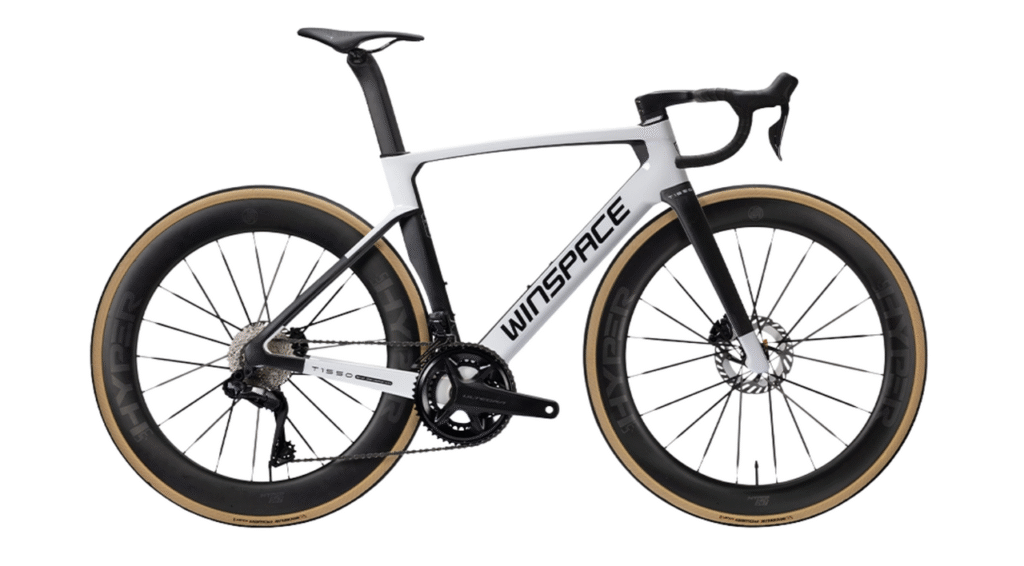
Sustainability concerns are reshaping purchasing decisions, with European consumers increasingly demanding transparency about manufacturing processes and materials sourcing. Bikes featuring recycled carbon fiber, water-based paints, and ethically sourced components command premium prices among environmentally conscious buyers. Manufacturers like Winspace Bikes have responded to these demands by implementing sustainable production practices and offering detailed transparency about their supply chains, setting benchmarks that importers should consider when evaluating potential suppliers. Gravel and all-road bikes continue blurring traditional categories, offering versatility that resonates with cyclists seeking single bikes for mixed-surface riding. These models typically feature wider tire clearances, relaxed geometries, and mounting points for accessories.
Direct-to-consumer sales channels are disrupting traditional distribution models, with online sales projected to reach 35% of premium bike purchases by 2026. Importers must develop robust digital presence alongside retail partnerships, offering virtual fitting tools, detailed specification comparisons, and home delivery with professional assembly services. Customization options, from frame colors to component selections, differentiate brands in increasingly crowded markets where consumers expect personalized products rather than one-size-fits-all solutions.
Building Your Premium Road Bike Import Business
Successfully importing premium road bikes into the European Union demands mastery of three interconnected pillars: regulatory compliance, supplier reliability, and performance optimization. Understanding EN ISO 4210 standards, CE marking requirements, and REACH regulations protects you from costly shipment detentions and legal penalties that can devastate your business before it gains traction. Identifying and partnering with manufacturers who consistently deliver quality products requires diligent verification through factory audits, sample testing, and gradual relationship building rather than rushing into large commitments. Performance specifications—from frame materials and geometry to component selection and quality control protocols—determine whether your bikes meet the exacting standards European cyclists demand, directly impacting your reputation and repeat business potential. The challenges of logistics delays, currency fluctuations, and quality inconsistencies are surmountable through proactive planning, financial hedging strategies, and collaborative supplier relationships. As the market evolves toward e-road bikes, sustainability-focused products, and direct-to-consumer channels, staying informed about emerging trends positions you ahead of competitors. The European premium road bicycle racing market offers substantial rewards for importers who approach it with thorough preparation, attention to detail, and commitment to delivering exceptional value. By implementing the strategies outlined in this guide, you’ll navigate complexities confidently and build a sustainable, profitable presence in one of cycling’s most dynamic markets.